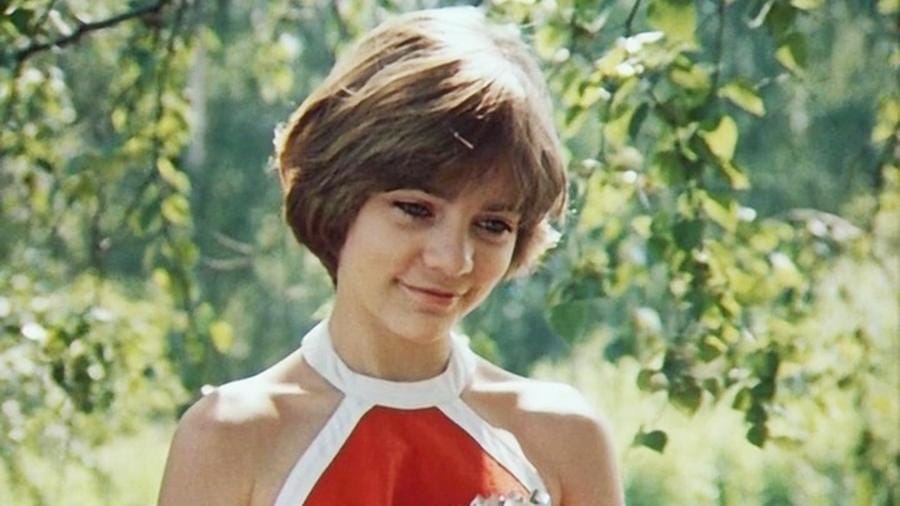
A Guest from the Past
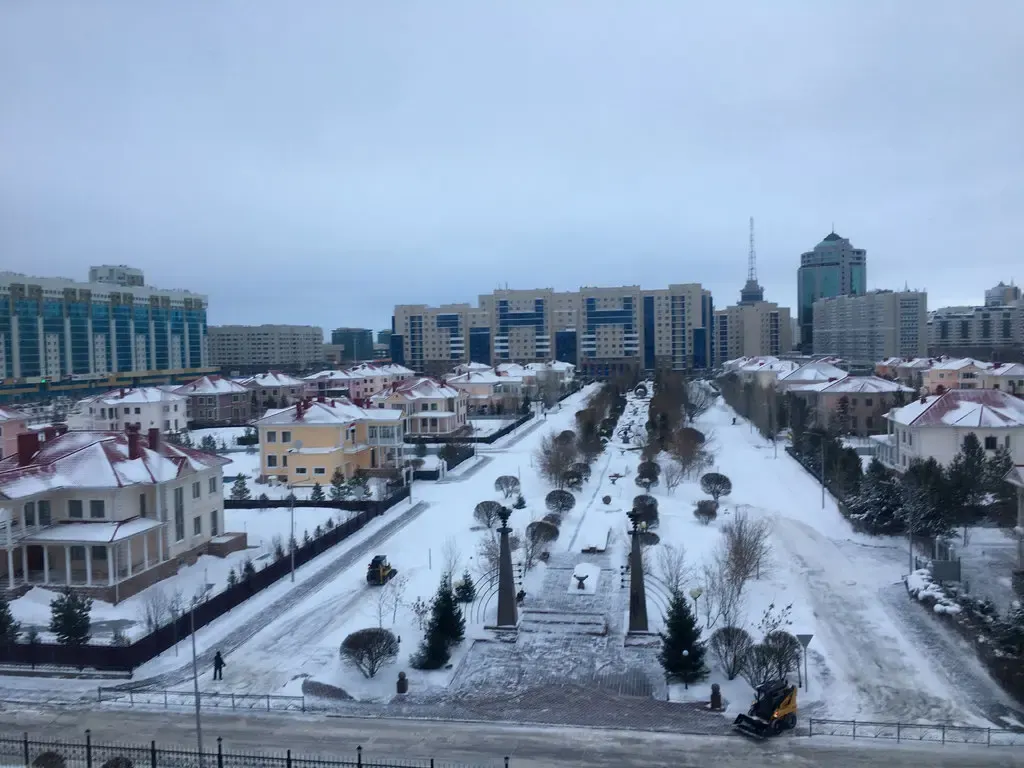
An Outdated Kazakh
Defining a national language isn’t just for presidents, prime ministers, or rulers. It’s for the layman hit with “Where are you from?” during an icebreaker. Yet, as proud as you are of your roots, is it possible to recount an entire nation’s history in a brief conversation with a stranger?
When I was ten, I didn’t think so; I was too young to know the ins and outs of the lifestyle I knew was bygone for the country. Raised in the Annex and born in the States, I had only lived in Kazakhstan for two years in the early 2000s before my family moved to Canada. I thought I knew what the Soviet Union was, from my mother’s retellings and visits to my grandparents every two years and watching The Irony of Fate reruns on New Year’s, but of course, I didn’t. I only knew its language.
I was discouraged from telling anyone my family was from outside of Canada in middle school, when my math teacher led weekly spiels on Lenin to a class of twelve-year-olds still struggling with the difference between obtuse and acute triangles. At the most, I could mumble “Russia” and leave it at that. By high school, I could talk about my real background, but if I so much as mentioned the “USSR,” some guy nearby would pull up the anthem on YouTube and stand at attention to the low-quality audio file, published in 2010 under an obscure username with a default font backdropped in blinding red. Dropping “Kazakhstan” without any preamble, however, led people to picture the infamous movie that had my mother’s colleagues asking if she really rode sheep to KazGU, one of the most prominent national universities.
It’s not a surprise to me that many don’t know the country has Kazakh as its national language, or if they do, that it wasn’t the case until thirty years ago. When I say I speak Russian, it’s not what comes to mind—being constantly met with confusion as to why I don’t know Kazakh, I began harbouring doubts in my mind as to how close I really was to the culture. My relatives knew me, and my mother made sure I knew them back, but to what extent could I accept the changes altering their lives, but not mine?
I regretted leaving Kazakhstan—not having a say in the decision didn’t lessen the blow, and no pleading to go back altered the reality of being ‘stuck’ in the West, close to privilege but far from home. By university, I learned there had never been a ‘point of no return’ to begin with, and that I should appreciate what the move had granted me instead. Still, I felt slighted by the inaccessibility of learning Kazakh, the one thing I felt I should easily have, but didn’t. There is no one left to teach me the language, a circumstance brought on by politics and life as a whole, and there are no reliable sources to get the knowledge and practice it as an Anglophone living in a Canadian metropolis. There aren’t even places that serve Kazakh cuisine, a fact met with grave dismay by curious strangers, colleagues, and friends alike (I’m more than happy to cook for them, but my meals can only do so much.)
Joining organizations for both domestic and international Russian-speakers and Kazakh students, I connected with others who related to my position, but I still felt like an outlier sometimes, not knowing which streets were being leveled, which malls were being demolished, which metro stations no longer worked—even to my mother’s surprise, who knew what they were discussing, but couldn’t be there to witness it, was not aware of it first-hand. I only saw a handful of places from when my cousins had time to show me around, but landmarks—like the Medeu in the mountains—I had to admire from afar.
I’m nostalgic for a time I never got to experience, that led to peace and resentment both; I balance what I know and feel through educating those who are willing to listen, and building on what I’m not privy to by asking those who are. My past imaginations may have been outdated and decontextualized, but they created the Kazakhstan that once was and the one I know now, beginning to bloom in its independence.
Comments ()