Pumpkin Spice and the Politics of Decay
A contemplation on the tyranny of fall
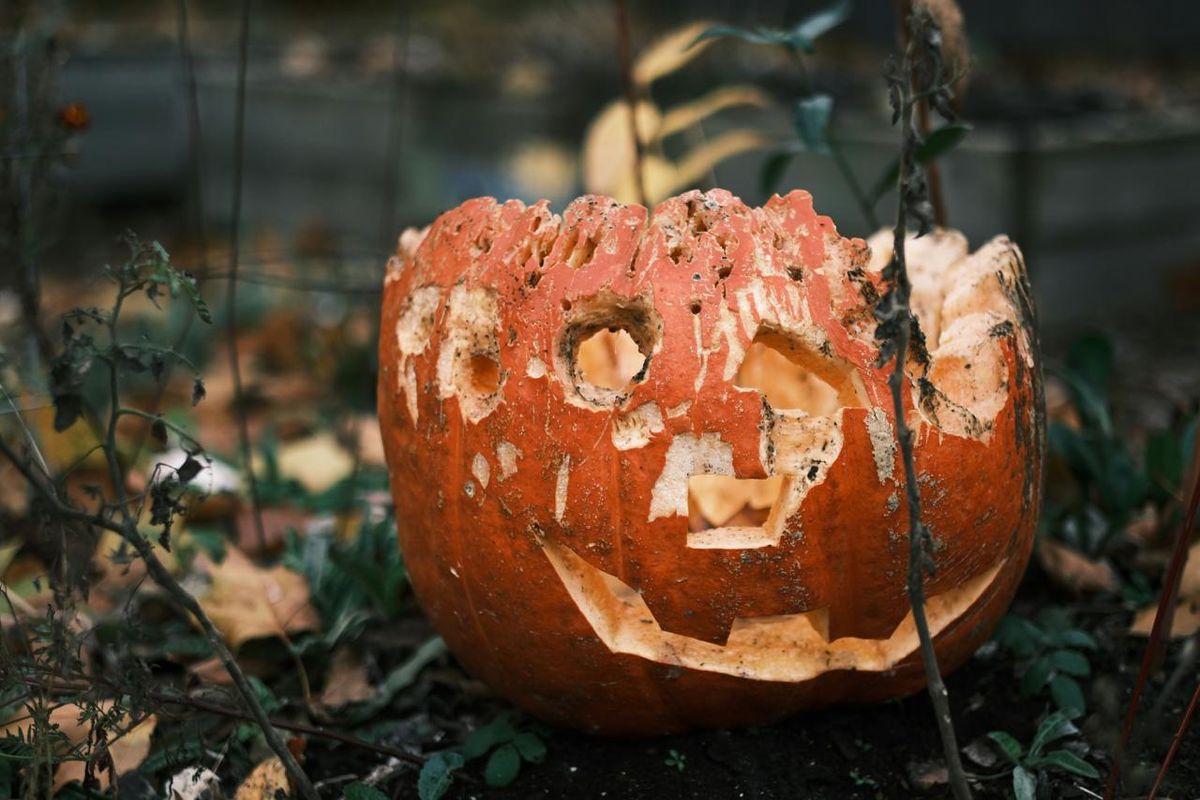
Fall is inevitable. Or is it? It is the end of September and degrees stubbornly refuse to leave their 20s perch. If climate predictions are anything to go by, it is not the extension of autumn that awaits us, but the entrenchment of winter. We will oscillate between the scorch and deep freeze, perhaps surpassing pumpkin spice season altogether.
That is perhaps the cruelest irony: there is no season so long awaited and so bitterly mourned. We spend months yearning for crisp air and crunchy leaves, but what usually arrives is slush, false starts, and endless allergenic miseries. Spring itself is treated as an interlude—something to rush through for the main event, summer. But summer has become its own tyrant, so unpredictable and boundless that even the most stalwart devotees of patios, bandanas, and UV deities pray for the sweaty slog to be over. Autumn is different. Mirroring the time itself, we mourn its passing. We wave a handkerchief goodbye as the last leaf falls, and then brace ourselves for the purgatory of grey and premature Christmas carols.
And just like it will happen, it will disappear. Just like we all inevitably will. Perhaps that’s part of the allure. Autumn is mortality with a good filter.
Yet autumn is also a trickster season, promising depth where it often delivers only dampness. We imagine long walks through golden canopies, but more often we are stuck with wet socks and the vague smell of mildew. We light candles and preach coziness, but what we really want is insulation from the creeping cold. The rituals we perform—layering scarves, brewing tea, pretending to enjoy cinnamon in everything—are less about savoring the moment than rehearsing for endurance. Autumn asks us to believe in beauty, but it prepares us only for survival.
And it is precisely this gap between promise and reality that makes autumn such fertile ground for performance. No one Instagrams their antihistamine regimen or their rain-sodden shoes; instead we crop reality into the flattering square of a leaf-strewn path. Autumn is lived in splotches, edited into mood. It thrives in the tension between what it is and what we insist it must be.
But there is something authoritarian—almost despotic—about the way autumn now demands not only our reverence but our performance. The tyranny of fall is not in its brevity but in its insistence: to take advantage of every moment, to document every walk, every outfit, every pumpkin patch outing. To order the perfect latte (ironically, of course), to curate the perfect sepia-toned mood board, to choreograph nostalgia for a season that barely exists anymore.
In this way, fall is not merely a season but a regime. Its self-styled aristocracy, perched on tweed-lined thrones, sneers at the plebeians still clinging to summer. Autumn has become the intellectual’s season—marketed as contemplative, bookish, candlelit. A time for connoisseurs of the finer things in life who are so desperate to bestow their otherness onto the world that they have turned the entire charade into an aesthetic.
And like everything else caught in the rot of late-stage consumer capitalism, it has been commodified. Autumn is no longer a natural rhythm but a deity at the altar of the ever-insatiable dollar and its consort, social clout. The tyranny is not in the weather—it is in the performance.
Comments ()